
Tape Measure vs. Ruler
What Every Crafter Needs to Know

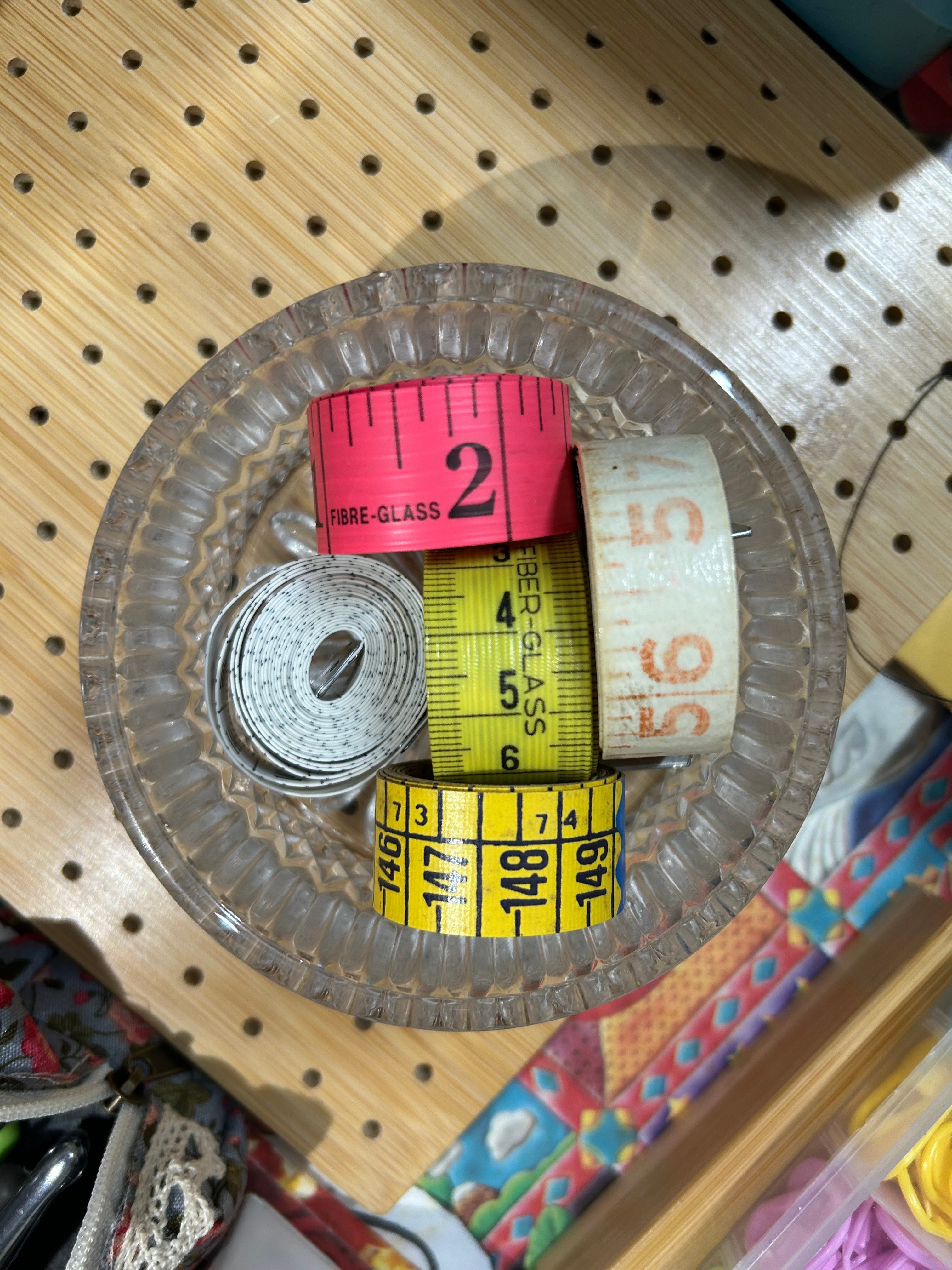
As a crafter and handmaker, I’ve always believed that measuring tools are an essential component of any project. Our measuring journey starts long before we ever pick up a tool, when the project is just an idea and we're planning colours, patterns, and a final outcome. It all begins with a mental scheme and the desired results.
Some projects, like home decor items, can work with more flexibility in terms of size, but for garments and clothes, it's a different story. These projects depend entirely on the perfect fit. In many cases, math is the key to success, and the tools we use to achieve that precision are the tape measure and the ruler: two seemingly simple tools for achieving the most precise measurements.
In this article, we’ll explore the history of these tools, examine their different types, and reveal the critical role they play in the crafting world.
The Origin Story of Our Tools
The ruler is a far older tool. Its origins can be traced back to ancient civilizations, with archaeological finds showing they were made from bone, ivory, and wood. These earliest measuring rods were standardized by the Egyptians and later the Romans to ensure consistent measurements for building and trade.
While the ruler has a much older history and is less tied to a single inventor, the modern flexible tape measure is a more recent invention. The spring-loaded steel tape measure is most often credited to James Chesterman, a British metalworker who patented his design in 1829. He repurposed the flat wire used for women’s hoop skirts to create this new tool. Later, an American named Alvin J. Fellows patented a key innovation we use today: the "spring-click" or locking mechanism.
Before these inventions, crafters and tailors had to use cumbersome methods like unmarked strips of cloth or rigid wooden sticks, which made it difficult to get accurate measurements.
This is why National Tape Measure Day is celebrated annually on July 14th, to commemorate the exact date in 1868 when Fellows received his patent for his improved retractable tape measure.
The Two Sides of the Coin: Tape Measures and Rulers
Both tape measures and rulers are fundamental tools, but each has a specific job. The choice between them comes down to a few key factors: flexibility, precision, and purpose.
Flexible Tape Measures: The Crafter’s Best Friend
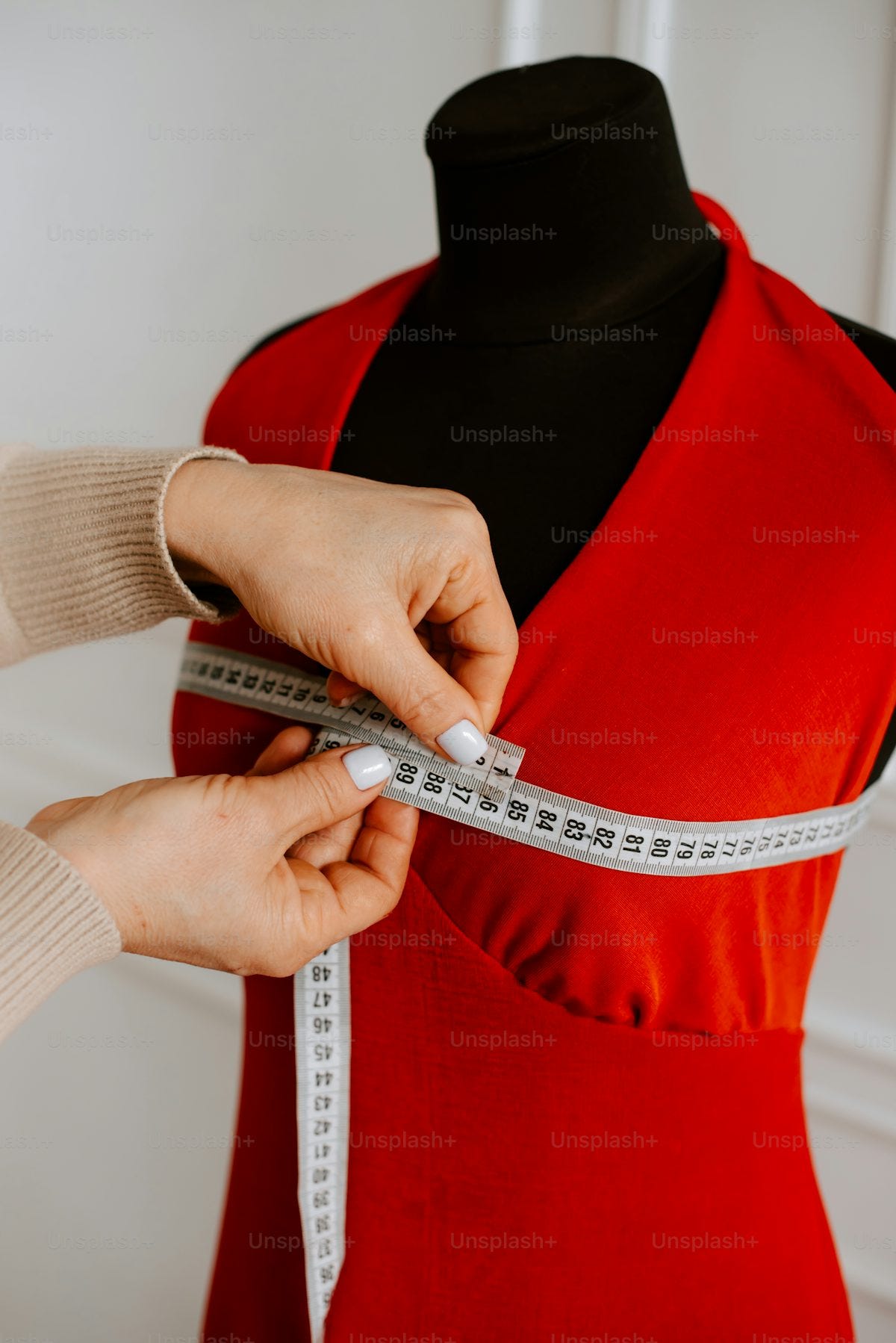
Flexible tape measures, typically made of fiberglass, are the ones most crafters are familiar with. They are perfect for projects that aren’t perfectly flat or require a measurement of a person. A rigid ruler simply can’t do this.
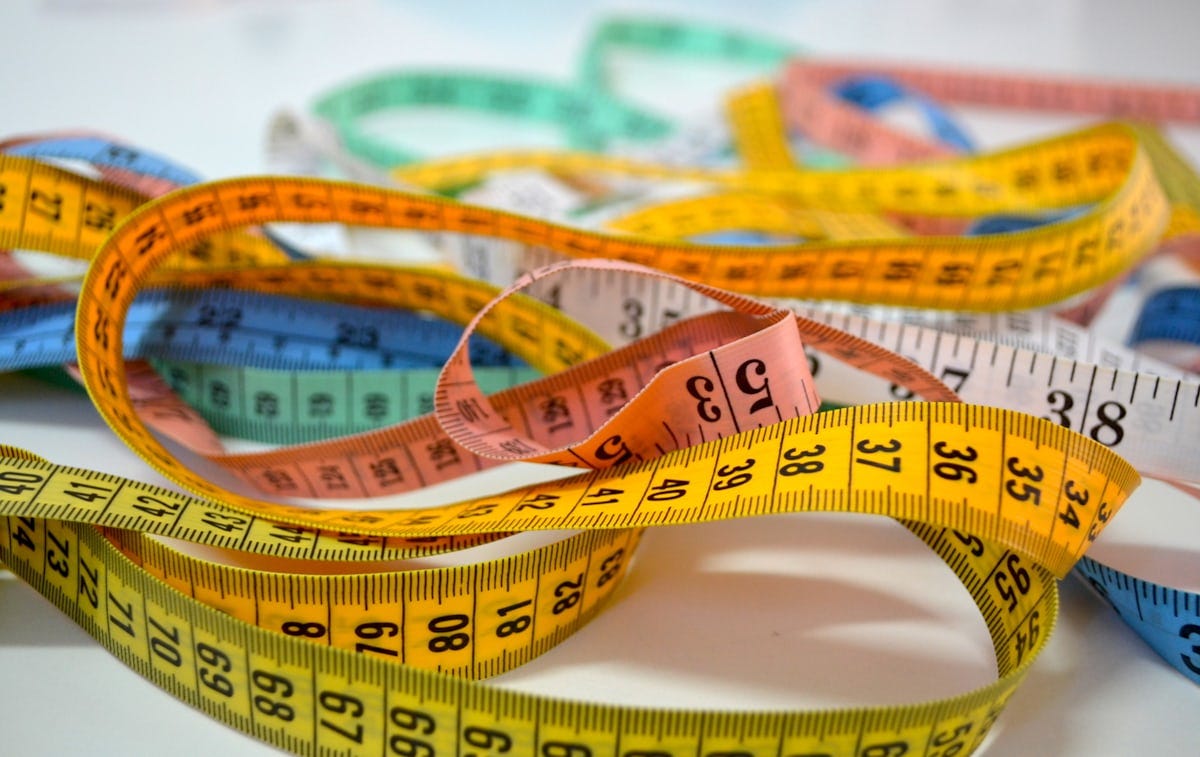
Here are some specific cases where a flexible tape measure is essential:
Taking Body Measurements: This is its most classic use for sewing, crochet and knitting clothing.
Checking Gauge in the Round: For knitters and crocheters, you can use a flexible tape to check your stitch count and row count on a project worked in the round, like a hat or a sweater.
Measuring Curved Shapes: A rigid ruler can't measure the edge of a curved collar or the circumference of a circular blanket; the flexibility of the tape allows you to follow the curve.
Determining Yarn or Fabric Yardage: It's much more practical and efficient than a rigid ruler when working with a long skein of yarn or a bolt of fabric.
Rulers: The Tool for a Firm Hand
A ruler is a must-have in a crafter's toolkit due to its key advantage: its firmness. There are specific uses where a rigid tool is not just helpful, but necessary.
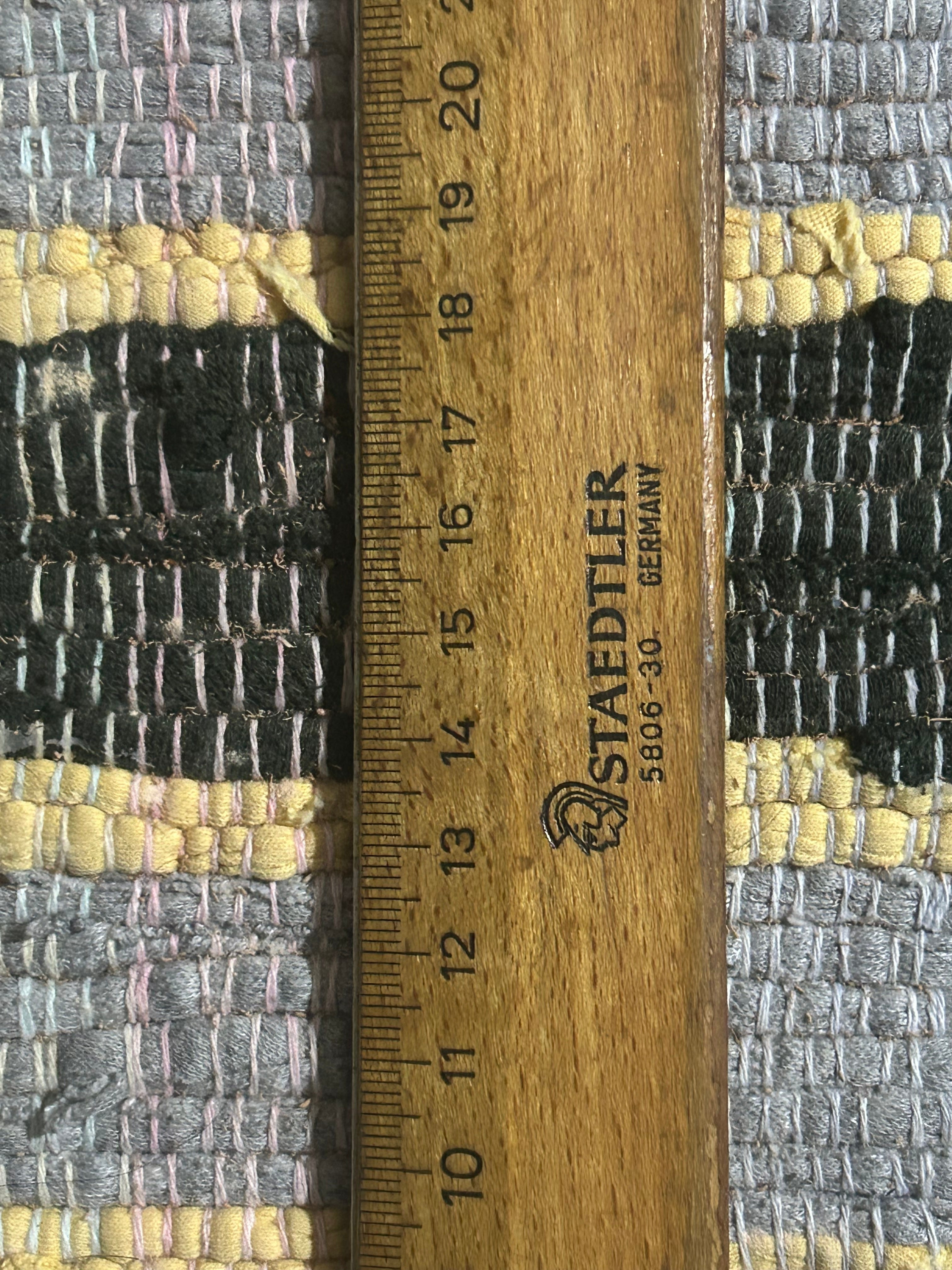
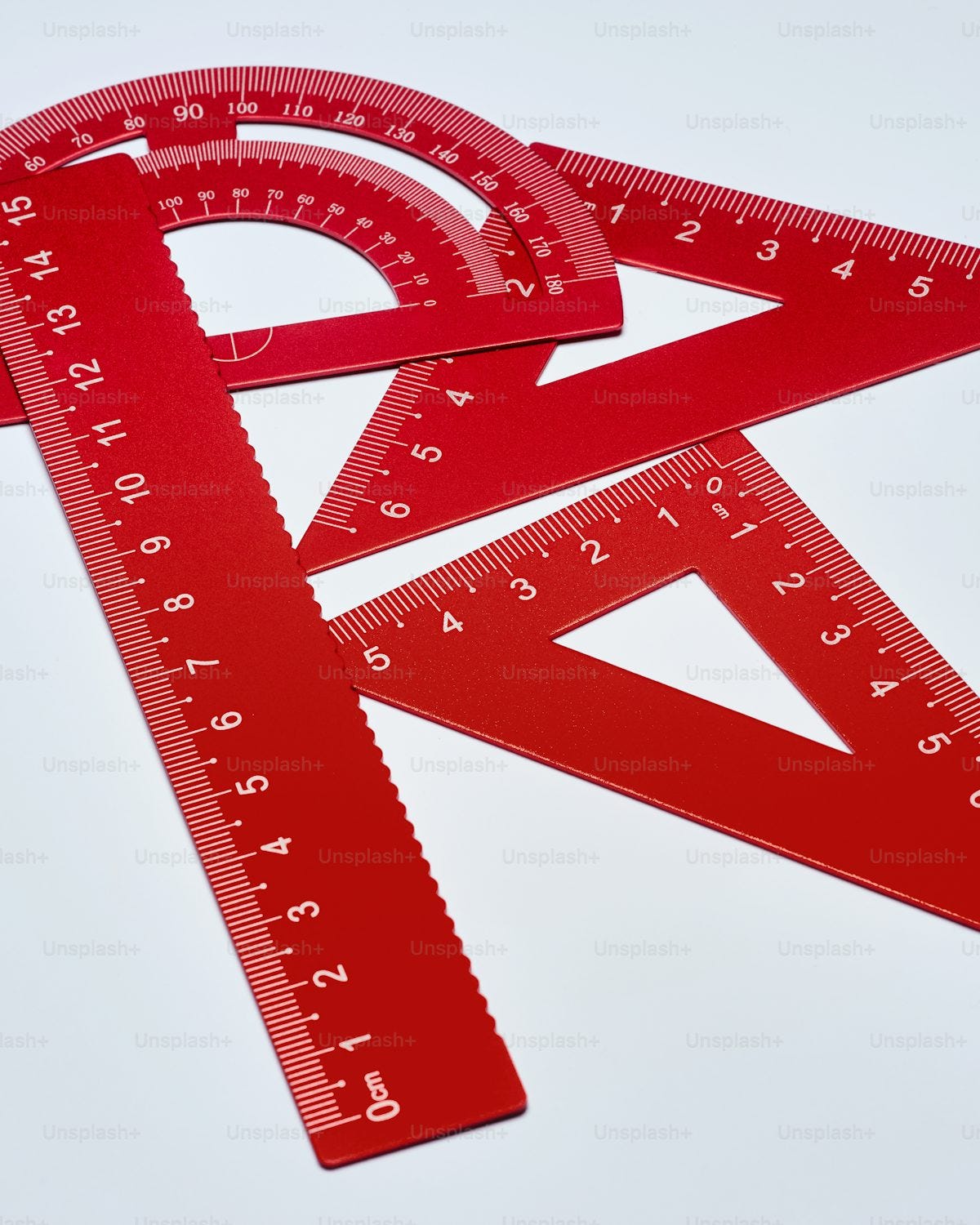
For Cutting a Straight Line: A ruler's rigidity makes it the perfect guide for cutting. Whether you're using a rotary cutter for a quilt or scissors to trim a seam, you need a straight edge to ensure your line is perfectly clean and accurate.
For Marking and Drafting: Rulers are essential for drawing lines, squaring corners, and marking patterns on fabric or paper. A flexible tape measure simply can't hold a straight line for this purpose.
For Quick, Small Measurements: When you need to measure something small and flat, like a crochet hook or a button, a ruler is often quicker and more practical.
For Swatches: While a tape measure can work for a swatch, a ruler placed on a flat surface is more accurate, especially for garments that require very specific gauge.
Centimetres or Inches? A Matter of Convention
For crafters and sewers, the conventional agreement depends heavily on the source of the pattern or project. If you're using a pattern from the United States, it will almost always be in inches. If you're using a pattern from Europe or many other parts of the world, it will be in centimetres and millimetres. Because of this, many flexible tape measures have both metric and imperial units, making it easy to work with either system.
Final Thoughts: The Importance of Precision
Ultimately, precision is the difference between a successful creation and a frustrating one. The humble tape measure and the steadfast ruler have different strengths, but they share a common purpose: to bring precision to the creative process.
The decision to use a flexible tape for a curved project or a rigid ruler for a straight line isn't just a matter of preference; it's a critical step in ensuring your hard work results in a project you can be proud of. It transforms a simple hobby into a craft, and it's what allows a maker's vision to truly come to life.
I know that many crafters are confident in using only the tape measure and get great results, but it's possible to expand our vision and get the best out of the tools in order to get more accurate items.
If you know someone who might be interested in this article, consider sharing it and supporting my work.